Teaching Kids Emotional Regulation: The Power of the Pause for Children's Mental Health
How to help kids manage big emotions through mindfulness and yoga techniques
Understanding Children's Emotional Meltdowns and Tantrums
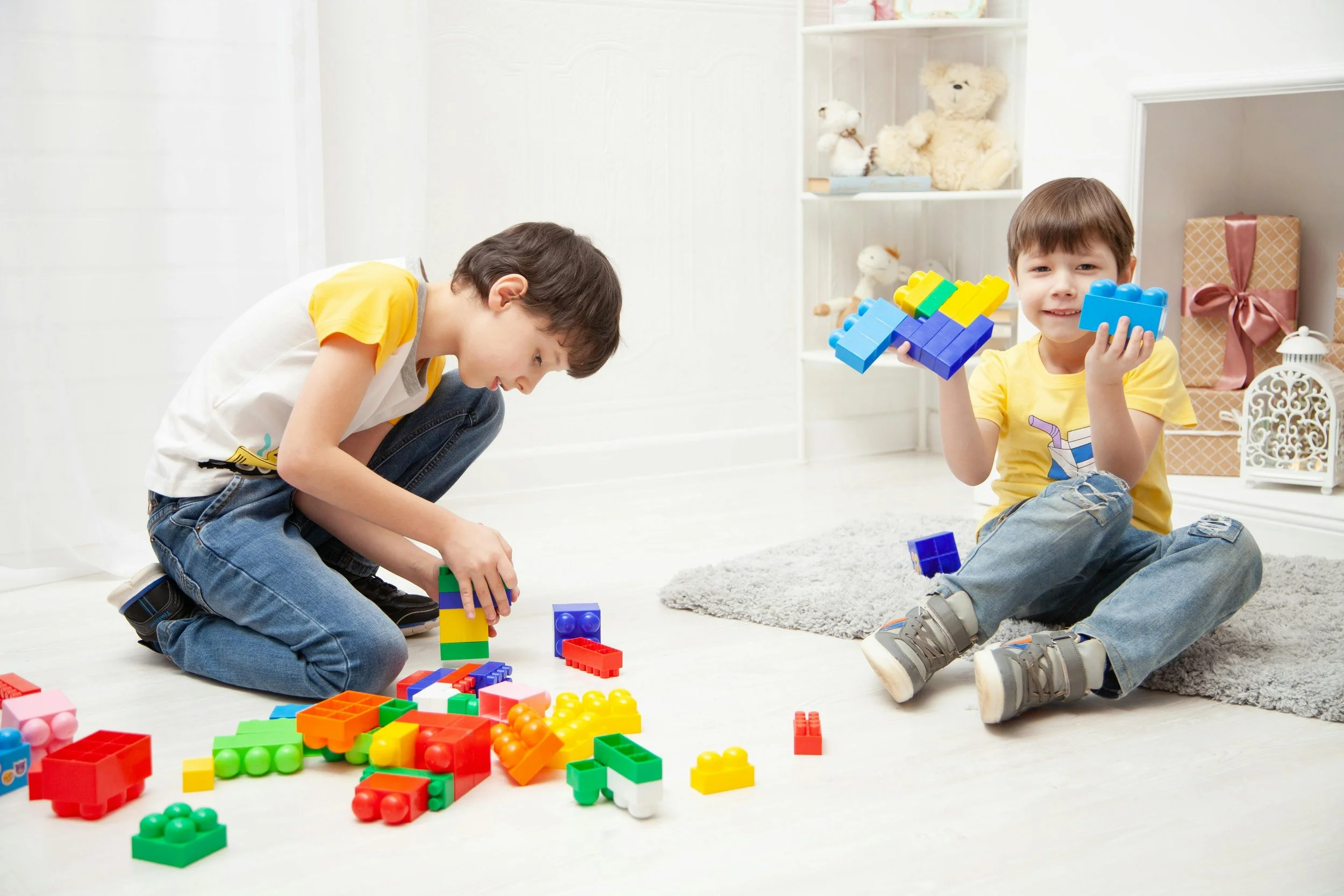
You know that moment when your kiddo goes from totally fine to completely losing it in like, two seconds flat?
Maybe their Lego tower fell down.
Maybe their brother grabbed the last Oreo.
Maybe you just said, "Time to turn off the iPad."
Whatever it is—one second they're okay, the next second BOOM. Tears, yelling, maybe something gets thrown across the room.
And here's the thing... we totally get it.
Because we do the same thing, right?
Someone cuts us off in traffic and we're honking before we even think about it. We get an annoying text and fire off a response we regret five minutes later. Dinner burns and suddenly we're slamming cabinet doors.
We're all just out here reacting to stuff.
But what if there was a way to help our kids (and us!) hit pause between the thing that happens and how we respond to it?
The Secret to Emotional Regulation: Teaching Kids to Pause Before Reacting
Listen, our kids are growing up in a world where everything happens RIGHT NOW.
Want to know something? Google it instantly. Bored? Swipe to the next video. Need something? Get it delivered tomorrow (or even today).
Don't get me wrong—instant access to information and entertainment isn't all bad. But all this instant everything is teaching our kids' brains to expect instant solutions for feelings, too.
And feelings? Yeah, they don't work that way.
So we end up with kids who struggle when things take time, when they have to wait, or when their feelings don't have a quick fix.
Teaching children emotional regulation and mindfulness helps them:
Actually understand what they're feeling (instead of just exploding)
Handle tough stuff without completely falling apart (building resilience in children)
Make better choices when they're upset (improving impulse control)
Tell us what they need instead of just melting down (communication skills)
Feel like they can handle hard things (which is basically building confidence and self-esteem, right?)
Kids Yoga and Mindfulness Techniques for Emotional Control
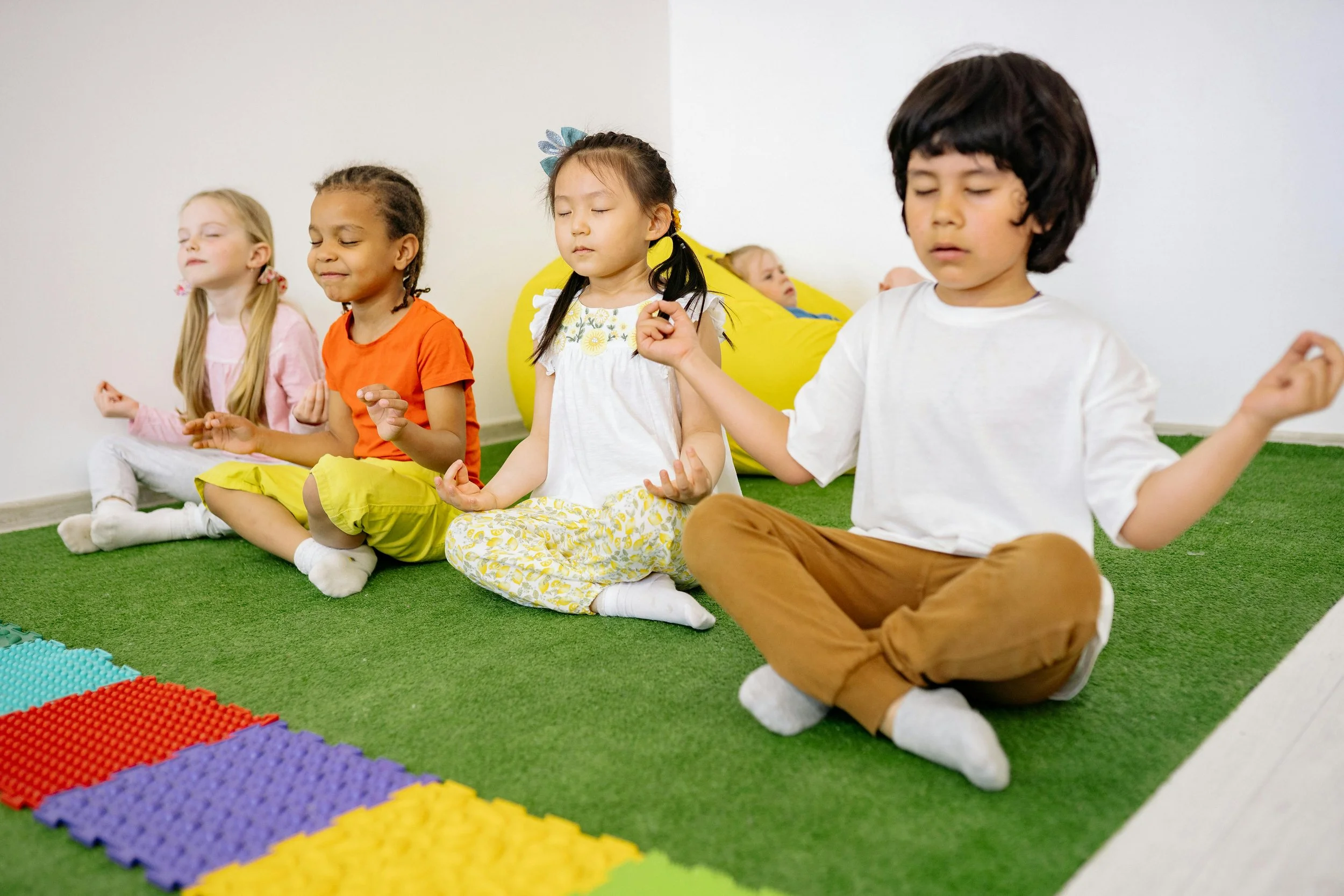
Okay, so here's where yoga for kids and mindfulness practices come in—and I promise this isn't complicated.
Breathing Exercises for Children: When we teach kids to pay attention to their breath, we're basically giving them a reset button. Three deep breaths? That creates the pause automatically. Try this calming technique for kids: have your child lie down with their favorite stuffed animal on their belly and watch it go up and down as they breathe. Simple, but it works.
Body Awareness Through Yoga: When kids do children's yoga poses, they start paying attention to how their body feels. And when they can notice "oh, my chest feels tight" or "my hands are squeezing really hard," they're catching those big feelings BEFORE the explosion happens.
Mindfulness Activities for Kids: Remember those glitter jars from a few years ago? You shake it up (like our feelings get all mixed up), then watch the glitter slowly settle as you breathe. Kids get it immediately.
Practical Emotional Regulation Activities Parents and Teachers Can Use Today
You don't need to be a certified yoga teacher to help your kid with this. Here are some evidence-based strategies for managing children's emotions that actually work:
Name the Emotion (Emotional Awareness Activity): When your kid is getting upset, just help them name what's going on. "I can see you're really frustrated right now." Seriously, just naming the feeling helps calm their brain down a bit.
The Traffic Light Technique for Self-Control: This one's so easy. Red = stop and breathe. Yellow = think about what you could do. Green = pick what to do. Kids already know how traffic lights work, so it clicks.
Model Mindfulness for Kids: Kids learn way more from watching us than from anything we say. So when you're frustrated, say it out loud: "Ugh, I'm really annoyed right now. I'm gonna take some deep breaths." They'll copy you.
Practice Calming Strategies When Everything's Fine: Don't wait for a meltdown to try these emotion regulation techniques. Read books about feelings during cozy story time. Practice breathing when you're already calm. Do a few silly yoga poses just for fun.
That way these tools are ready to go when things get hard.
Positive Reinforcement for Emotional Control: When your kid pauses for even half a second before reacting, celebrate it! "Whoa, I saw you take a breath before you answered. That was awesome!" Positive attention is everything.
The Long-Term Benefits of Teaching Children Emotional Intelligence
When we teach kids emotional regulation skills, we're not just helping them get through Tuesday afternoon without a meltdown. We're teaching them something they'll use forever.
Think about it: the kid who learns to pause now becomes the teenager who thinks before hitting send on that text. The adult who doesn't immediately fire back in an argument. The person who breaks the whole cycle of just reacting all the time.
And it doesn't stop with just one kid. When one child in a family or classroom learns these social-emotional learning skills, the other kids notice. They start doing it too. Before you know it, the whole vibe changes.
Supporting Children with Big Emotions: You're Not Alone
If you're sitting here thinking "Yeah right, my kid has HUGE feelings—this would never work," we hear you. We really do. Some kids feel everything times a million, and that's okay. That's just how they're wired.
We're not trying to make your kid into some zen master who never gets upset. That's not realistic and honestly, it's not even the goal. The goal is just creating a tiny bit more space between the feeling and the reaction.
Even one second counts. Even doing it half the time instead of never? That's progress.
We've watched this happen with so many kids through our mindfulness programs for children. We've seen the "reactive" kids figure out how to slow down a little. Kids who struggled with anger discover they can actually choose calm sometimes. Kids realizing they can handle hard stuff.
Your kid can do this, too. And it starts with just teaching them about that little pause.
Free Resources: Kids Yoga and Mindfulness Programs
Here are some easy ways to bring these mindfulness and yoga activities for kids into your life:
Check out our YouTube channel for free breathing exercises and yoga videos for children
Try our Mindful Moments program—a self-paced mindfulness course for families packed with stuff you can actually use
Fort Worth teachers and administrators: our School Squads program brings weekly yoga and mindfulness to Fort Worth schools
Here's the thing: teaching kids emotional regulation isn't about making perfect kids who never have meltdowns. (Do those even exist? Asking for a friend.)
It's just about giving them some tools to manage emotions and build self-control with a little more awareness and confidence.
And when we teach these social-emotional learning skills to kids? We're literally changing the world. One pause at a time.
What helps your kiddo pause before reacting? We'd love to hear what works for you!
Tag us on Instagram or Facebook.
100% of Yogi Squad's profits go straight to our work in Dallas-Fort Worth area schools.
When you donate to Yogi Squad, you're helping us bring these children's mindfulness and yoga programs to more kids who need them.