Helping kids of all ages name their feelings, understand their emotions, and communicate with confidence.

Have you ever asked a child, “How are you feeling?” only to hear “Fine,” “I don't know,” or the ever-popular “Nothing!”?
The truth is, understanding and expressing emotions isn't always easy. Even as adults, we sometimes struggle to put our feelings into words. For children, whose brains and emotional regulation skills are still developing, it can be even more challenging.
But here's the good news: Emotional vocabulary is a skill we can teach, practice, and strengthen together.
At Yogi Squad, we believe that giving children the words to describe their feelings is one of the most powerful tools we can offer them. When kids can name what they're experiencing, they're better equipped to communicate their needs, connect with others, and discover healthy ways to navigate life's ups and downs.
And it all begins with building a shared language.
Why Emotional Vocabulary Matters
Imagine trying to explain that you're overwhelmed, disappointed, or anxious without knowing any of those words. You might cry, yell, withdraw, or act out instead.
That's often what happens when children experience big emotions but don't yet have the vocabulary to express them.
Developing emotional literacy helps children:
Build self-awareness: Recognize and understand what they're feeling.
Strengthen communication: Express their needs instead of relying solely on behaviors.
Develop empathy: Recognize that others experience feelings, too.
Practice self-regulation: Identify emotions and choose tools that help them respond.
Create stronger relationships: Connect with peers, caregivers, and teachers through understanding.
One important reminder: All feelings are welcome, but not all behaviors are okay. Feeling angry is perfectly normal. Hurting someone because you're angry is not.
When we give children the language to understand that distinction, we help them build a foundation for lifelong emotional well-being.
What Is a Shared Emotional Language?
A shared emotional language means that children and the adults in their lives use familiar, consistent words to describe feelings, experiences, and coping strategies.
For example, instead of simply saying, “Calm down,” we might ask:
“Are you feeling frustrated because something didn't go the way you expected?”
Or:
“It looks like your body has a lot of energy right now. Would taking a few slow breaths help you reset?”
At Yogi Squad, we introduce mindful vocabulary through movement, breathing exercises, stories, and reflection. Words like notice, focus, brave, reset, and reflect become part of a shared toolkit that children can use at school, at home, and in their communities.
The more often children hear and practice these words, the more familiar and accessible they become.
Building Emotional Vocabulary at Every Age
Children's emotional understanding grows and changes as they do. Here's how to make emotional vocabulary meaningful at every stage.
Toddlers & Preschoolers (Ages 2–5): Start Simple
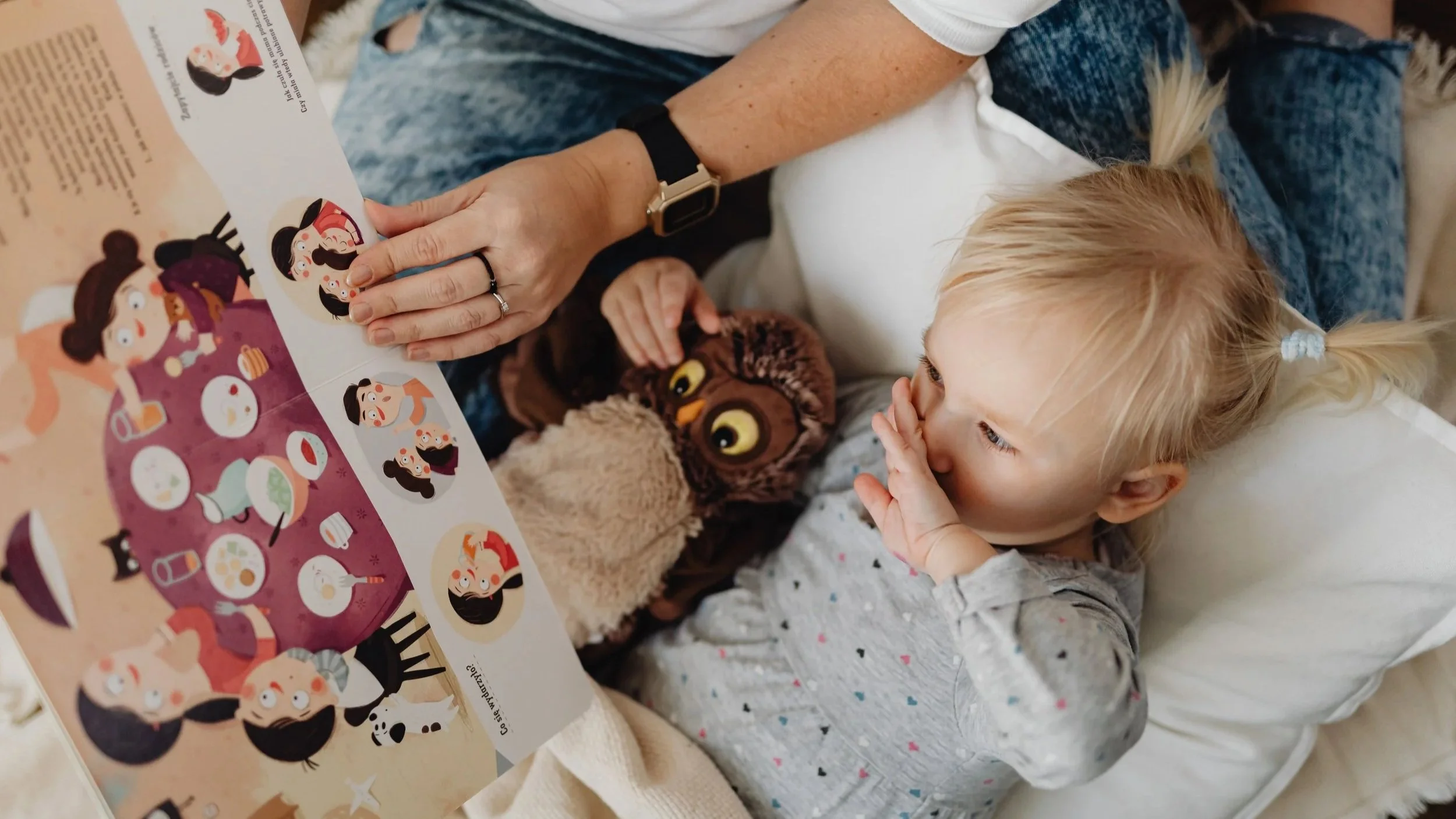
Little people are just beginning to recognize that feelings have names. Start with simple, familiar words like happy, sad, mad, scared, and excited.
Try this:
Name feelings out loud. “You're smiling! You look excited to go to the park!”
Read picture books. Pause to notice characters' faces and talk about how they might feel.
Make feeling faces. Practice happy, surprised, angry, and worried expressions in a mirror.
Connect feelings to the body. “When I'm excited, my heart beats faster!”
Yogi Squad Tip: Play Feelings Freeze Dance! Dance together, pause the music, call out an emotion, and make a face or pose that represents it.
Big Kids (Ages 6–9): Expand the Vocabulary

As children grow, they begin to recognize that emotions are more complex than simply happy or sad.
Introduce words like frustrated, disappointed, proud, nervous, peaceful, and overwhelmed.
Try this:
Create a Feelings Forecast. Ask, “What's your emotional weather today? Sunny, cloudy, stormy, or somewhere in between?”
Use a feelings word wall. Add new words regularly and discuss their meanings.
Talk about characters. Ask how someone in a book might feel and what clues support that idea.
Introduce emotional intensity. Explore the differences between annoyed, frustrated, and furious.
Yogi Squad Tip: Pair a feeling with a breathing exercise. Feeling frustrated? Try Candle Breath: breathe in slowly, then gently exhale as though you're making a candle flame flicker.
Tweens (Ages 10–12): Explore Mixed Emotions
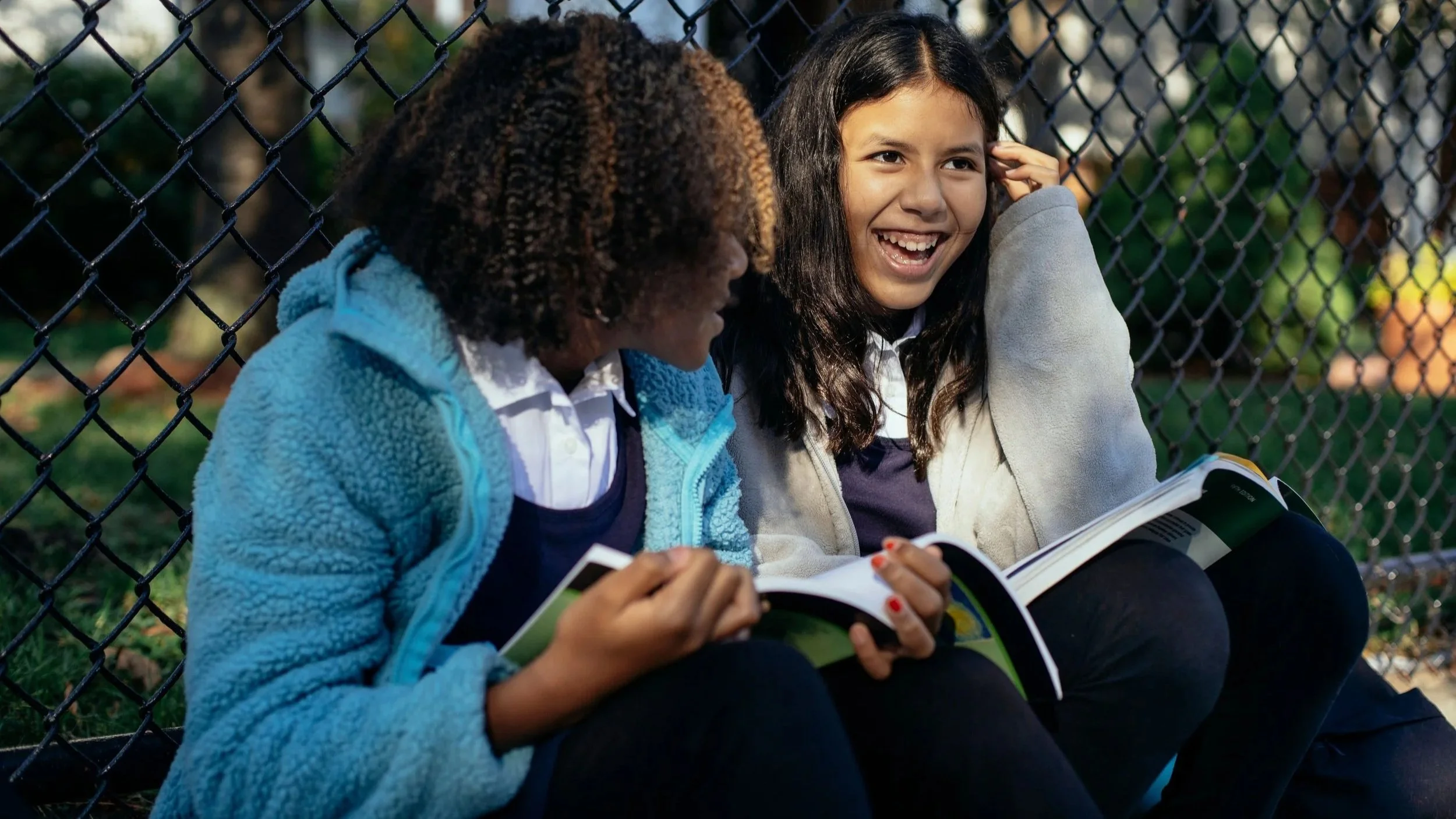
Tweens are navigating friendships, growing independence, and increasingly complicated emotions.
This is a great time to introduce words like insecure, conflicted, embarrassed, discouraged, hopeful, and resilient.
Try this:
Normalize mixed feelings. “You can feel excited about middle school and nervous about it at the same time.”
Use an emotion wheel. Explore more specific words beyond happy, sad, and angry.
Practice reflection. Ask, “What happened? What did you feel? What did you need?”
Offer private expression. Journaling, drawing, or music can help tweens process emotions without feeling pressured to share.
Yogi Squad Tip: Practice a mindful check-in: Pause. Notice your body. Name your feeling. Decide what you need next.
Teens (Ages 13–18): Build Emotional Independence

Teenagers experience increasingly complex emotional and social situations. They need opportunities to explore their feelings without judgment, pressure, or immediate problem-solving from adults.
Introduce vocabulary like ambivalent, vulnerable, validated, apprehensive, emotionally drained, and empowered.
Try this:
Model emotional honesty. “I felt overwhelmed today, so I took a walk before tackling my next task.”
Ask before offering advice. “Do you want me to listen, help problem-solve, or give you some space?”
Respect privacy. Not every emotion needs to become a conversation.
Connect emotions to needs. Explore how feelings might signal a need for rest, connection, boundaries, or support.
Yogi Squad Tip: Encourage teens to create a personal RESET routine. This might include breathing, movement, music, journaling, or stepping outside for fresh air.
Make Emotional Vocabulary Part of Everyday Life
Building a shared language doesn't require an elaborate lesson plan. In fact, the most meaningful learning often happens during ordinary moments.
Talk about feelings while reading together. Name your own emotions in age-appropriate ways. Celebrate when children recognize what they're experiencing, even when those feelings are uncomfortable.
And remember, the goal isn't to make every child happy all the time.
The goal is to help children understand that every feeling has a name, every feeling deserves to be acknowledged, and every child can learn tools to navigate what comes next.
At Yogi Squad, we're helping children build that language one mindful word, one breath, and one meaningful connection at a time.
Because when kids have the words, they have more ways to be heard.
Keep the Conversation Going!
Looking for simple ways to bring mindfulness, movement, and emotional literacy into your home or classroom?
Explore Yogi Squad's mindful resources, movement activities, and guided meditations for kids and families. Together, we can help children build the vocabulary, confidence, and tools they need to navigate life's challenges.
Small words. Big feelings. Lifelong tools.
Yogi Squad | Mindfulness. Movement. Literacy. Connection.